Sourcing Mazda RX-7 Parts: A Practical Guide for Enthusiasts
If you own a Mazda RX-7, you already know it is more than just a car. It is a piece of automotive history with a character that few other vehicles can match. The rotary engine under the bonnet is unlike anything else on the road, and that uniqueness is both a joy and a challenge. When something breaks or you decide to rebuild, finding the right components becomes a real task. This article is written from the perspective of someone who has spent years around these machines, sourcing Mazda RX-7 parts and learning what works and what does not.
The Rotary Engine and Its Demands
The heart of every Mazda RX-7 is the rotary engine. Unlike a conventional piston engine, the rotary uses a three-sided rotor spinning inside an oval housing. This design gives it a silky smooth power delivery and a high-revving nature that enthusiasts love. But it also means that many components are specific to the rotary world. You cannot walk into a general auto parts store and expect to find a rotor housing or a spark plug that fits. The tolerances are tight, and the engineering is precise.
When you start looking for Mazda RX-7 parts, the first thing to understand is that new old stock from Mazda itself has become scarce for many models. The RX-7 went out of production in 2002, and factory support has dwindled. That is where the second-hand market comes in. For the serious owner, used parts from dismantled cars are often the most practical source. They provide original equipment quality at a fraction of the cost of new parts, and they are usually available when nothing else is.
The Role of a Specialist Wrecker
This is where a business like justrotaries.com.au steps in. Based in Melbourne, this specialist Mazda wrecker focuses entirely on rotary-powered Mazdas. They take in cars that have reached the end of their life and carefully strip them for usable components. Every engine, transmission, gearbox, alternator, starter motor, fuel pump, radiator, intercooler, turbocharger, exhaust manifold, clutch, and brake caliper is inspected and catalogued. For the RX-7 owner, this kind of resource is invaluable.
I have personally bought a few items from justrotaries.com.au over the years, and the experience has always been straightforward. The staff know the rotary platform inside out. When I needed a replacement clutch for my RX-7, they were able to tell me which version of the flywheel I had just from my car's build date. That kind of knowledge saves hours of guesswork and prevents ordering the wrong part.
What to Look For When Buying Used Parts
Not all used parts are created equal. The quality of a component from a dismantled car depends on the condition of the donor vehicle and how the part was removed. Here are a few things I have learned to check:
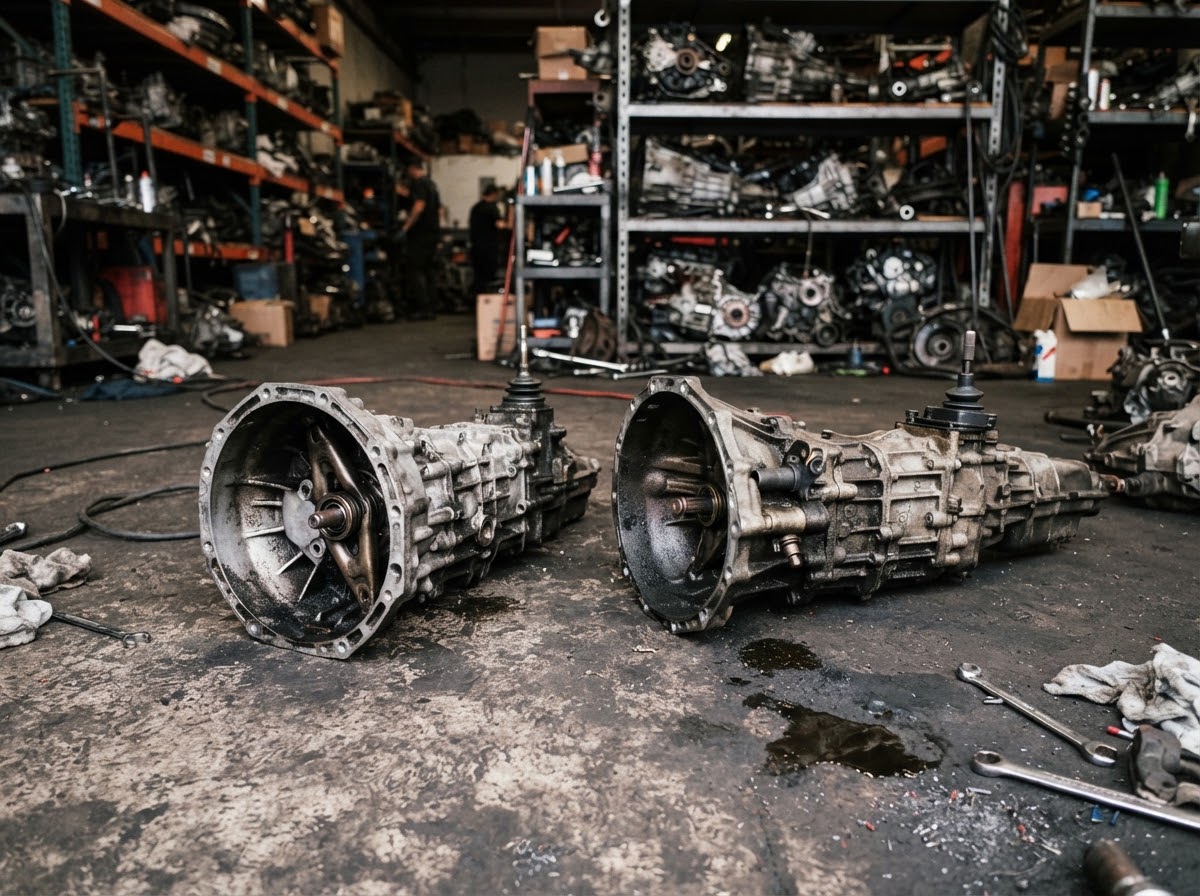
- Engine and Transmission: Look for signs of oil leaks or corrosion on the casing. A rotary engine that has been stored dry can develop rust on the rotor housing surfaces. Ask if the engine was running before removal.
- Turbocharger and Intercooler: Check the shaft play on the turbo. A little side-to-side movement is normal, but excessive axial play means the bearings are worn. The intercooler should be free of fin damage and blockages.
- Brake Calipers and Clutch: Calipers can seize if the car sat for years. Look for piston corrosion. Clutch discs should have visible friction material left and no signs of glazing.
- Electrical Items: Alternators and starter motors are generally reliable, but test them if possible. A starter motor that has been exposed to moisture can have internal rust.
- Fuel Pump and Radiator: For a fuel pump, listen for a smooth hum when power is applied. Radiators should be pressure tested if you can arrange it.
A good wrecker will be honest about the condition of each part. They know that a repeat customer is worth more than a quick sale on a bad component.
Why Original Parts Matter
Some owners try to save money by fitting aftermarket or generic components, especially for things like the alternator or the fuel pump. In my experience, the results are mixed. The rotary engine has a specific fuel pressure requirement, and a generic pump that delivers too much or too little pressure will cause tuning problems. Similarly, the alternator on an RX-7 must supply enough current for the oil cooling fans and the fuel pump at idle. A cheap alternator may not cut it.
That is why I tend to stick with genuine Mazda RX-7 parts or high-quality used originals. The used parts from a reputable wrecker have already proven themselves in a running car. They are not experimental. The same cannot be said for some of the unbranded replacements sold online.
Rebuilding vs. Replacing
There is also the question of whether to rebuild a component or replace it with a used unit. For example, a worn brake caliper can be rebuilt with a seal kit, but the process requires patience and the right tools. If you are short on time, swapping in a known good used caliper from a dismantled car is often quicker and more cost-effective. The same logic applies to the gearbox and the exhaust manifold. A used manifold that is free of cracks is a better buy than a new one that costs three times as much and may not fit as well.
On the other hand, some parts are better bought new. Clutch discs and brake pads are consumables. For those, I always go new. But for the larger mechanical assemblies, used parts from a specialist wrecker are a solid choice.
The Melbourne Connection
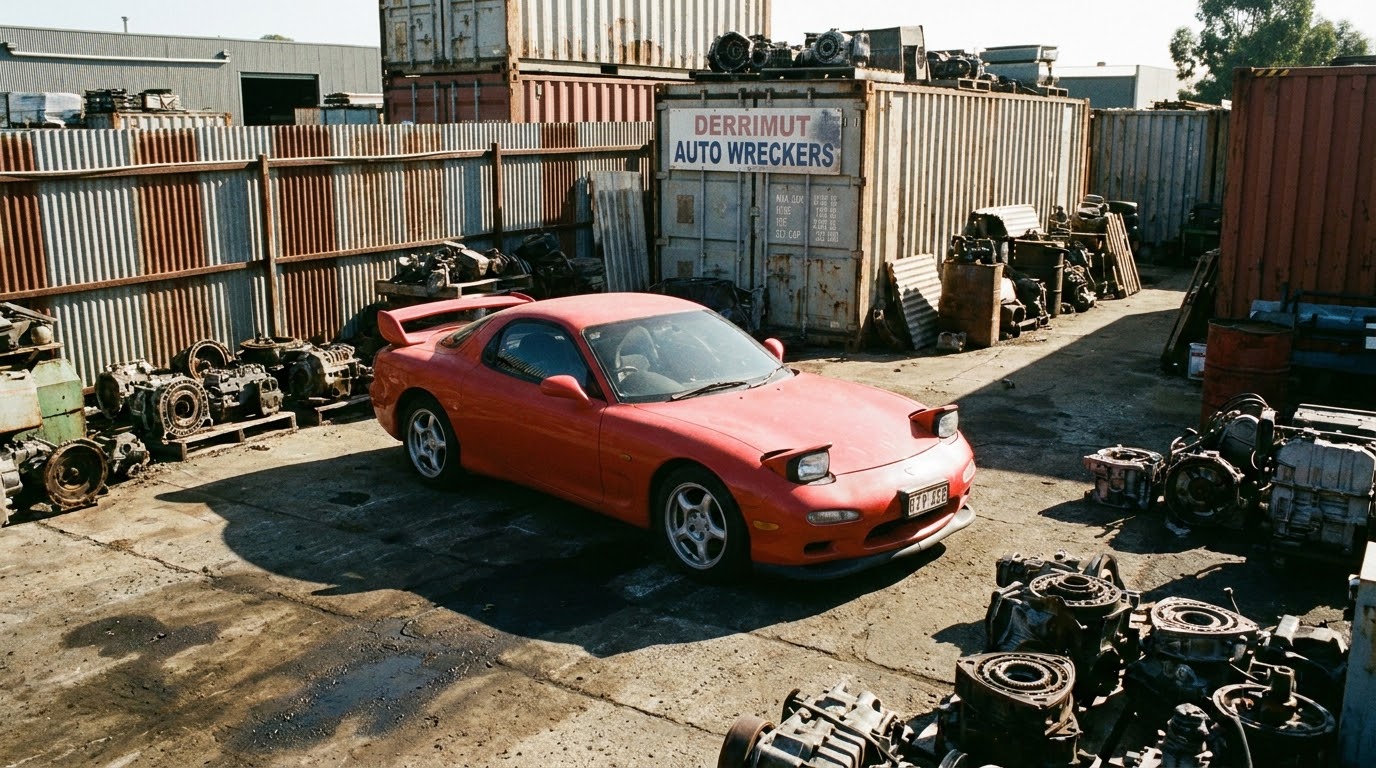
Melbourne has a strong rotary community. There are several workshops and parts suppliers in the area, but the ones that focus exclusively on Mazda rotary cars tend to have the deepest stock. When you visit a place like justrotaries.com.au, you are not walking into a general scrap yard. You are entering a facility where every car on the lot is a rotary-powered Mazda. That focus means they have the specific Mazda RX-7 parts you need, from the early SA series through to the final Spirit R models.
I remember driving down to their yard one Saturday morning, looking for an intercooler for my RX-7. They had three or four options from different donor cars. The staff member showed me each one, pointed out the differences in core thickness, and let me pick the one that best matched my car's setup. That level of service is rare.
Online Shopping vs. In-Person Inspection
Not everyone can travel to Melbourne to see parts in person. Many owners rely on online listings. If you buy Mazda RX-7 parts online, ask for detailed photos and honest descriptions. A good seller will tell you if a part has any issues. They will also pack the item properly so it arrives undamaged. I have had good experiences buying from justrotaries.com.au online. Their listings are accurate, and they ship promptly.
One tip: if you are buying a transmission or a heavy item, check the shipping cost first. Some sellers use the shipping charge to make extra profit. A reputable wrecker will quote a fair rate based on actual weight and distance.
Keeping Your RX-7 on the Road
The Mazda RX-7 is a car that rewards attention. It demands a certain level of involvement from its owner, but that is part of the appeal. When you source the right parts and fit them yourself or with a trusted mechanic, the car gives back an experience that few modern vehicles can replicate.
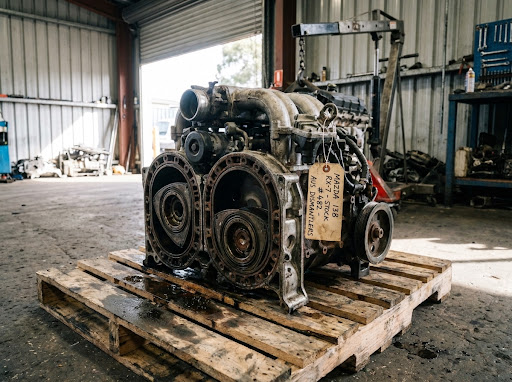
The availability of quality used parts is what keeps many of these cars on the road. Without the network of specialist wreckers, it would be much harder to maintain an RX-7. The rotary engine is robust if it is looked after, and the rest of the car is built to a high standard. But things do wear out. Having a reliable source for components makes all the difference.
Whether you need a turbocharger, an alternator, a starter motor, or a complete engine, the key is to work with a supplier who understands the platform. A specialist Mazda wrecker in Melbourne like justrotaries.com.au has the stock and the knowledge to help you keep your RX-7 running for years to come.